Skip to main content

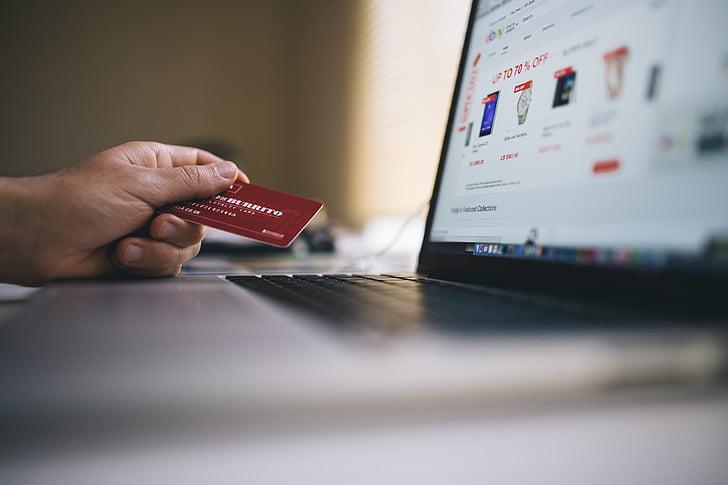
If you have an online store, you must be inspired by large Ecommerce giants such as Amazon, H&M, and Zara. You may see some sort of similarity in function, but these platforms follow a unique design as per their brand identity.
In the current era where online shopping is becoming a great trend, it is important to create an outstanding ecommerce website or platform. It’s about creating an engaging, user-friendly, and ultimately profitable online shopping experience. And the secret is your e-commerce website’s design. Let’s dive into what truly makes an e-commerce website design unique.
However, not all ecommerce websites are created equal. What makes an ecommerce web design unique?
1. User Experience (UX) is King
User experience (UX) is perhaps the most critical aspect of any ecommerce web design. It encompasses everything from how easy it is to navigate the site to how quickly it loads. A unique ecommerce website prioritises the user’s journey, ensuring that they can find what they need without any hassle.
A good UX should have the following:
- Customers should easily find products, filter options, and check out without getting frustrated.
- Products should have a clear profile. High-quality images, detailed descriptions, and customer reviews build trust and confidence.
- Remember, a 1-second delay can decrease conversions by 7%! No one likes waiting. Slow websites mean lost sales. So, ensure your site loads quickly.
- Mobile friendliness and responsiveness.
Statistics show that 88% of online consumers are less likely to return to a site after a bad experience. Where competition is fierce, a seamless UX can make or break a business. This means intuitive navigation, clear calls to action, and a checkout process that is as streamlined as possible. For instance, using a one-page checkout can significantly reduce cart abandonment rates, which currently stand at around 69.57% globally.
2. Mobile Optimisation
With the increasing use of smartphones, having a mobile-optimised website is no longer optional—it’s a necessity. Mobile ecommerce is on the rise! 79% of smartphone users have made a purchase online using their mobile device in the last six months.
In such cases, you need a unique ecommerce web design which is fully responsive, providing an excellent user experience across all devices. Google’s mobile-first indexing also means that websites prioritising mobile design are more likely to rank higher in search results.
You can make your Ecommerce site mobile-friendly by:
- Responsive Design: Ensure your site adapts to any screen size for a seamless experience.
- Simplify Navigation: Use a “hamburger” menu to declutter the screen.
- Optimise Images: Compress images for faster loading times.
- Prioritise Speed: Minimise website requests and enable browser caching.
- Streamline Checkout: Offer guest checkout and minimise form fields.
- Large, Touch-Friendly Buttons: Make them easy to tap with a finger.
- Readable Text: Use a comfortable font size for smaller screens.
- Thumb-Friendly Design: Place important elements within easy thumb reach.
- Test on Real Devices: Use various phones and tablets to check functionality.
- Consider a Progressive Web App (PWA): These offer app-like experiences without needing a separate download.
3. Personalisation and Customisation
Personalisation is a powerful tool in ecommerce. The design is all about creating a tailored experience for each shopper This leads to higher engagement, better conversion rates, and a stronger brand connection.
Customisation can also enhance the user experience. Allowing customers to personalise products, such as adding their names or choosing specific features, can make the shopping experience more engaging. This not only boosts customer satisfaction but also increases the likelihood of repeat business.
E-commerce platforms gather data about customer behaviour, preferences, and purchase history. This can be done by tracking their browsing behaviour (which pages they’ve visited, what they are searching for, and how long they stay), purchase history, wishlists, demographics (age, location, interest, preferred product categories), saved items, and so on.
This collected data is then analysed to identify patterns and trends. Machine learning algorithms can help uncover insights into individual preferences and predict future behaviour.
In Ecommerce design, it could be used for product recommendations, personalised offers/discounts, custom navigation, dynamic content, tailored emails, notifications, and so on.
4. Brand Personality
A brand’s personality is how your brand would behave, speak, and interact if it were a person. In other words, how users think when they visit your platform. Choose colours, fonts, graphics, layout, and imagery that reflect your brand’s style.
The words you use should match your brand’s voice and resonate with your target audience. Even small bits of text, like button labels or error messages, can reinforce your voice. For example, “Oops, something went wrong” is different from “Oh dear, we’ve hit a snag.”
In the absence of a physical product, visuals are a very important part. High-quality images, videos, and detailed product descriptions can significantly impact a customer’s decision to purchase.
360-degree product views, zoom features, and video demonstrations can provide customers with a better understanding of the product. Coupled with honest and detailed descriptions, these elements can build trust and reduce return rates.
5. Trust Signals and Social Proof
Consumers are particularly cautious about online security and privacy. Online shopping can be a bit nerve-wracking for some people. Security is a HUGE deal.
You must prominently display trust signals such as SSL certificates (little padlock in the browser bar), secure & trusted payment icons (Visa, Mastercard, and PayPal), and clear privacy policies.
Social proof, such as customer reviews, ratings, and testimonials, also plays a vital role in building trust. 91% of people read online reviews, and 84% trust them as much as personal recommendations. Showcasing user-generated content, such as customer photos and videos, can further enhance credibility.
6. Efficient Search and Filtering Options
A powerful search function is to help customers find what they are looking for quickly. Advanced search capabilities, such as autocomplete suggestions and filters by size, colour, price, and brand, can make navigating large product ranges more manageable.
Moreover, providing a “save for later” option or a wishlist can enhance the shopping experience, allowing customers to return to their favourite items easily.
7. Seamless Checkout Process
Cart abandonment is a significant issue in ecommerce, with the average rate being around 70%. To combat this, you must ensure a seamless checkout process. This includes offering multiple payment options, guest checkout, and minimal form fields.
In the overall country, debit and credit card payments are prevalent. So, providing additional options like PayPal, Apple Pay, and Google Pay can cater to a broader audience. Also, include some clear progress indicators, trust badges, and a summary of the order to reassure customers during the checkout process.
8. Analytics and Continuous Improvement
How do you know if your design is working? Data is your friend!
- Track website traffic: See where customers are coming from, what they’re looking at, and how long they’re staying.
- Analyse conversion rates: Identify any points in the checkout process where customers are dropping off.
- A/B testing: Try out different designs or layouts to see what performs best.
Most e-commerce platforms (like Shopify, Magento, or WooCommerce) have built-in analytics or monitoring tools, or you can use Google Analytics to get deep insights into your website’s performance.
9. Keep Moving with Trends
The world of e-commerce is always changing. Keep an eye on these trends:
- Augmented reality (AR): Let customers “try on” clothes or visualise products in their homes before buying.
- Voice search: Optimise your site for voice search as more people use smart speakers.
- Sustainability: Highlight your eco-friendly practices and products. Shoppers are increasingly conscious of this.
In a Nutshell…
An exceptional e-commerce web design is all about creating an unforgettable shopping experience that keeps customers coming back for more.
Invest in UX, build trust, showcase your brand’s personality, and don’t forget the power of data. By focusing on these key elements, you can create an e-commerce website that truly stands out in the crowded online marketplace.
If you’re looking to elevate your Ecommerce design for your website or app, Leap Digital is your one-stop solution. Our team has good expertise in web design and app development to deliver results that exceed your expectations. Don’t just take our word for it; visit our website and explore our portfolio.
Contact us at 01277 505650.