Skip to main content


Over the past ten years, social media has seen significant changes, which will possibly continue rapidly. Social media marketing tactics need to change with the times to stay appropriate as consumer behaviour and technology develop. This guide will explore the key trends and strategies for social media marketing in 2024.
What Is Social Media Marketing?
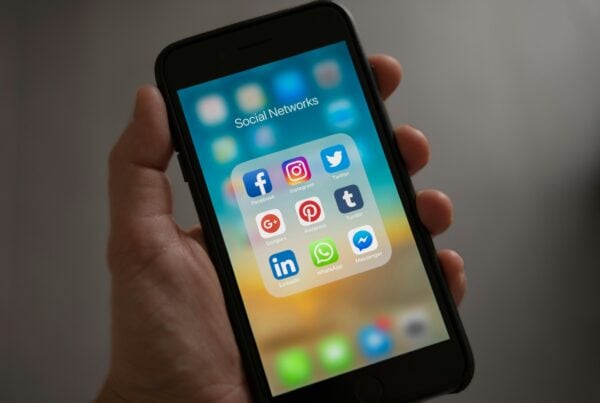
Social media marketing uses various social media platforms, which further help build brand awareness, drive website traffic, and increase sales. It includes publishing attractive and engaging content on your social profiles, engaging with your followers, analysing your results, and running social media advertisements.
Good social media marketing is one that includes regular posting of high-quality content and community engagement. Effective strategies should be used to make the marketing successful, which needs an understanding of user engagement, sales, and how to gain insights for future campaigns. A social media marketing agency in Essex will help you with all this.
Strategies to Use For Social Media Marketing
The Rise of Augmented Reality (AR) and Virtual Reality (VR):
In 2024, AR and VR technologies are expected to be fully united into social media platforms. This opens up new opportunities for marketers to engage with their audience in exciting ways. Brands will be able to create AR filters, allowing users to try on makeup clothes or even visualise furniture in their homes. VR experiences will enable businesses to transport users to virtual showrooms, events, or even travel destinations. Marketers should invest in developing AR and VR content to provide their audience with memorable and interactive experiences.
Personalised and Hyper-targeted Content:
As more data is gathered and examined, social media platforms in Essex will be more capable of providing consumers with hyper-targeted and personalised content. Marketers will have access to more sophisticated algorithms in 2024 that can analyse user habits, interests, and preferences. This will enable marketers to provide tailored content that appeals to their future viewership. Marketers may increase conversion rates and consumer engagement by using user data to create personalised offers, product recommendations, and advertisements.
Influencer Marketing:
Influencer marketing is a leading force in Essex’s social media marketing landscape and will continue to grow in 2024. However, the way it operates is likely to grow. Brands will seek out micro-influencers with smaller but highly engaged and loyal audiences. Consumers tend to believe recommendations from people they notice are relatable and authentic. Brands will also prioritise long-term partnerships with influencers, allowing them to build more real connections with their audience over time.
Chatbots and Conversational Marketing:
Chatbots have become common on social media platforms, providing instant customer support and assistance. Two thousand twenty-four chatbots will become even more advanced, leveraging natural language processing and artificial intelligence capabilities. They can engage in meaningful conversations, understand user intent, and provide personalised recommendations. Businesses should invest in chatbot development to enhance customer experiences, improve response times, and reduce costs.
Video Content Dominance:
Video content has been in development for years and will continue to dominate in 2024. With the popularity of short-form video platforms like Instagram Reels and TikTok, marketers must adapt their content strategies accordingly. Brands should focus on creating short, attention-grabbing videos that quickly deliver their message and appeal to social media users’ shorter attention time period. Live streaming will also continue to get popular, providing brands with opportunities for real-time engagement and authentic storytelling.
Social Commerce:
Social media platforms have increasingly integrated shopping functionalities, blurring the lines between social interaction and e-commerce. 2024, this trend will continue, with platforms expanding their social commerce capabilities. Marketers should utilise social shopping features, like product tagging, shoppable posts, and in-app purchases, to provide a seamless shopping experience for customers. This will allow brands to drive sales directly from social media platforms.
Essex’s Social media marketing in 2024 will be a dynamic and ever-evolving landscape. Marketers must stay on top of the latest trends and technologies to effectively engage with their audience. By embracing augmented reality, personalisation, influencer marketing, chatbots, video content, and social commerce, businesses can create impactful social media campaigns that yield higher conversion rates, customer engagement, and brand loyalty.