Skip to main content

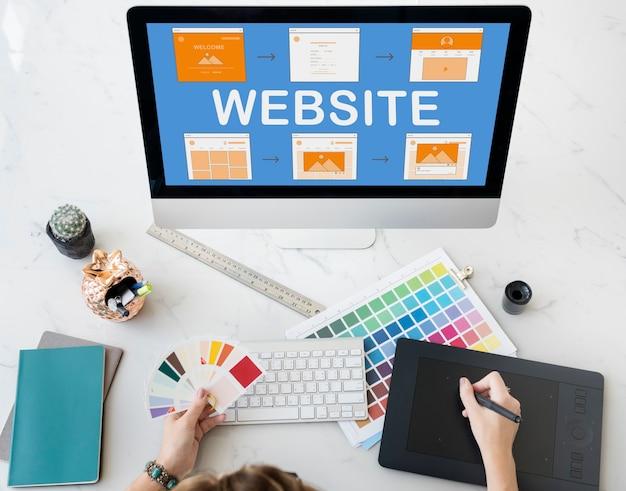
In this dynamic and technology-ridden world, a website is the first point of contact with its potential customers. As we move forward with lightning speed in the world of technology, it’s fascinating to see how design trends are constantly changing and evolving; it is crucial for every business, irrespective of size, to keep its online presence fresh in the market. A website design can give a renewed look to the online platform by not only providing a refreshing look but also improved functionality.
Let us explore when and how to give your website the makeover it deserves!
Comprehend The Signs for Redesigning!
The first step in determining whether your website requires a redesign is recognising the potential signs. If your site is witnessing high bounce rates, outdated design or even slow loading times, then it may reflect the time for amendments. Additionally, keep an eye on competitors and industry trends that may assist in staying ahead and also in ensuring that your website remains relevant.
Always Stay in Touch with The Latest Design Trends.
Web design trends are constantly evolving. It is paramount to stay in touch with modern and appealing website trends. Elements like colour schemes, typography and layout styles can significantly impact the overall user experience. Research the latest design trends and consider how they can be incorporated into your site to create a contemporary and visually appealing look.
Mobile Optimisation
With the massive increase in smartphone usage, having a mobile-friendly website is no longer an option. Google always gives priority to mobile-friendly sites in top results. This makes it an indispensable factor for SEO purposes. A website redesign should include responsive design, which can ensure a seamless and enjoyable experience for users across all devices.
Easy Navigation
An intuitive and streamlined navigation structure is key to keeping visitors engaged. If users struggle to find information or navigate through your site, they are most likely to leave. Simplify your menu, try giving priority to important pages and make sure that the user journey is clear and logical.
Work On the Loading Speed.
In times of instant gratification, users want web pages to load in less time. Slow loading times usually lead to high bounce rates and a negative impact on SEO. Optimise images, leverage browser caching and consider upgrading your hosting to upgrade the loading speeds and overall performance.
Changes In the Published Content
We all understand the importance of content in the digital sphere. By redesigning their websites, individuals get an opportunity to refresh and optimise their content. They make sure that your message is clear, concise, and always aligns with your brand identity. Try looking for new and relevant content to keep your audience engaged and attract potential customers.
Enhance Functionality
Evaluate your website’s functionality often to identify the areas that can be improved. This may include adding new features, integrating the latest technology or even incorporating user feedback to enhance the overall user experience. Think about components like live chat and other interactive elements to offer a personalised user journey.